
videos
Produced by immersive audiophile music label TRPTK. Find out more about the first immersive audiovisual album of medieval music on the link:
“I implore the Virgin Mary, and worship Constantinople, to grant me the keys, to enter the garden. To pick red apples, to drink dewy water, to rest and sleep underneath an apple tree. Let the blossoms fall upon me, the apples in my lap, and the golden roses around my hair.”
Live recording at the First Evangelical Church of Athens, during Sacred Music Festival of the Greek National Opera. A collaboration with Greek early music specialists: Elektra Miliadou (medieval vielle), Dimitris Tigkas (violone), Alex Mastichiadis (harpsichord).
Video by Dimitris Papadopoulos.
“They thank and praise the Virgin Mary, as she frees the sick from their pain and she prays for us the sinners”
Plenitude draws inspiration from the Rubaiyat poems of the Persian mathematician and philosopher Omar Khayyám (1048–1131). The Arabic verses reflect how true prosperity is not found in material wealth and grandeur, but in the simplicity of existence, in silence, and in communion with the world around us:
“I need a jug of wine and a book of poetry, half a loaf for a bite to eat, then you and I, seated in a deserted spot will have more health than a Sultan’s realm.”
“I shall die if I do not see you, Lady of Honour“
The collection of this valuable manuscript is believed to have been made by a French composer from the Lusignan court in Nicosia (Cyprus), between 1413 and 1430. French musicians arrived in Cyprus with Charlotte de Bourbon, the future queen and wife of King Janus de Lusignan. According to Leontios Macheras, was as a patron of arts in the island, with a special devotion to music.
“All the pleasure, all the melancholy, and anything bad, hunt me. All my weariness shall be renewed, and all will undo the feature of Fortune, who is my great enemy, when they will sing so clearly.”
“I must sing of what I’d rather not, I’m so angry about him whose friend I am, for I love him more than anything“
A chantar is the only trobairitz (woman troubadour) song that survives accompanied by its music. Read more about women troubadours, Comtessa de Dia and “A chantar” on our blog:
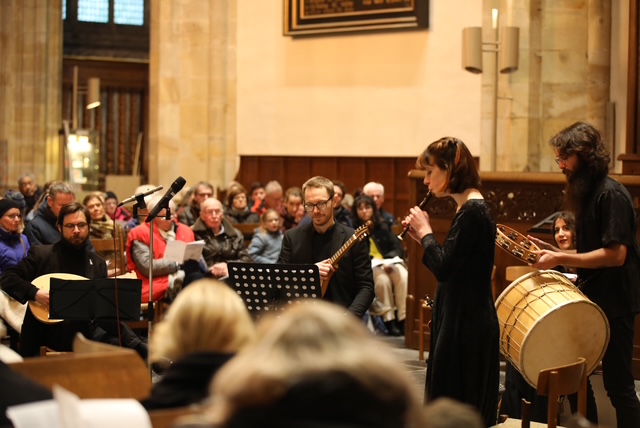
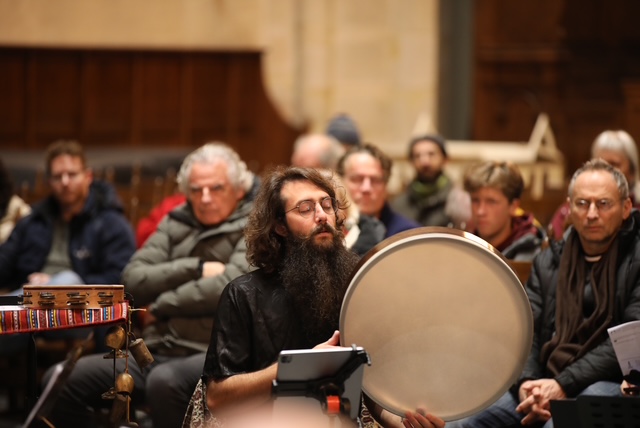
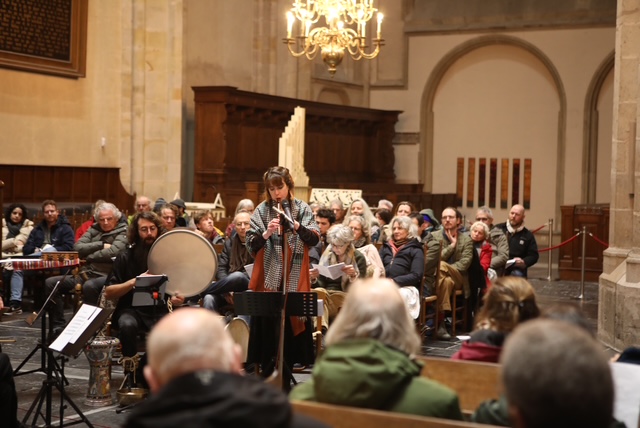
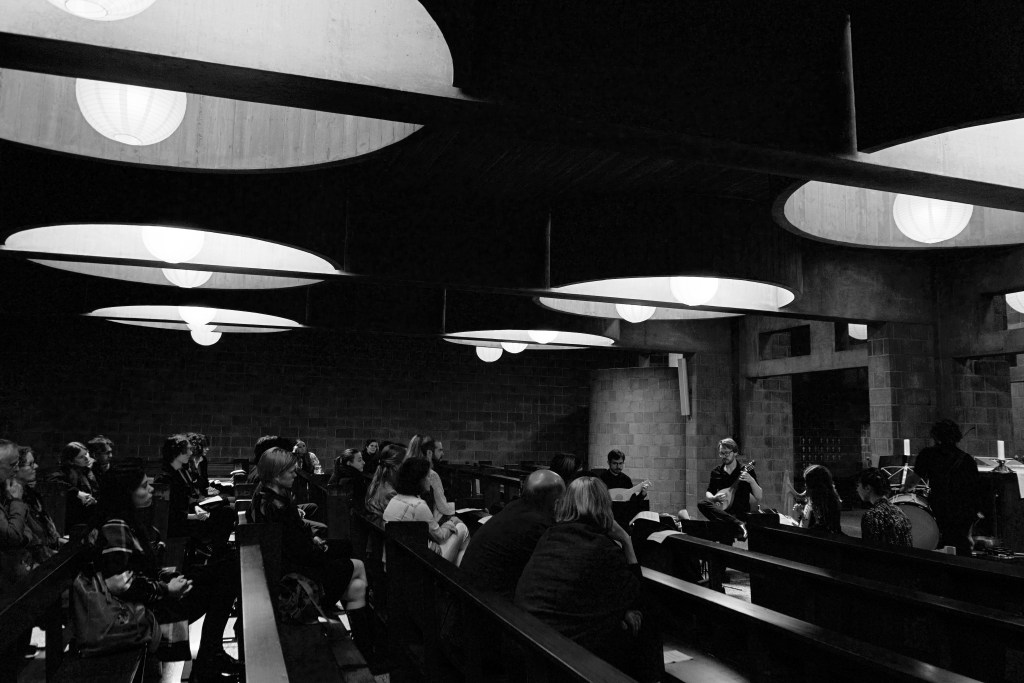
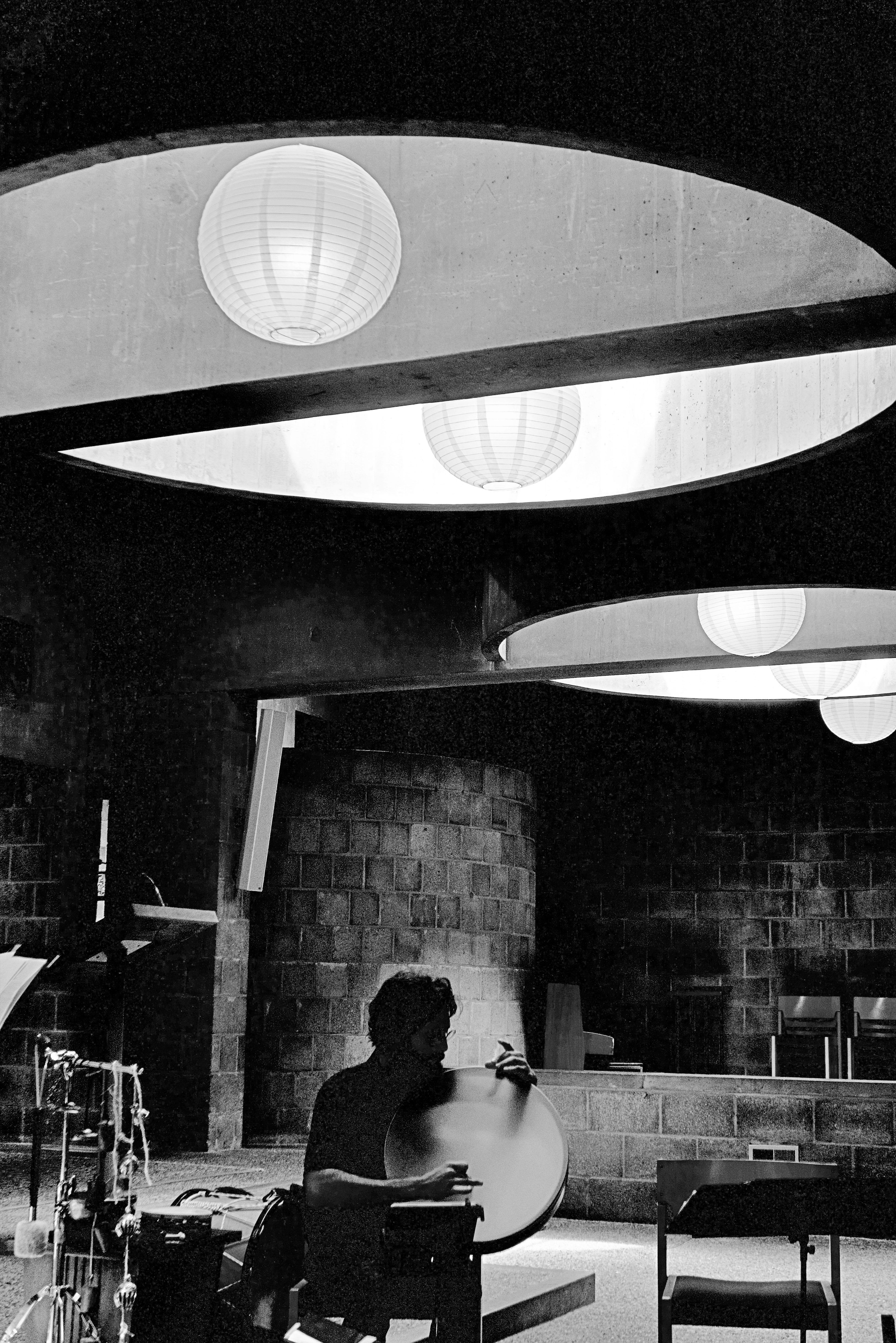
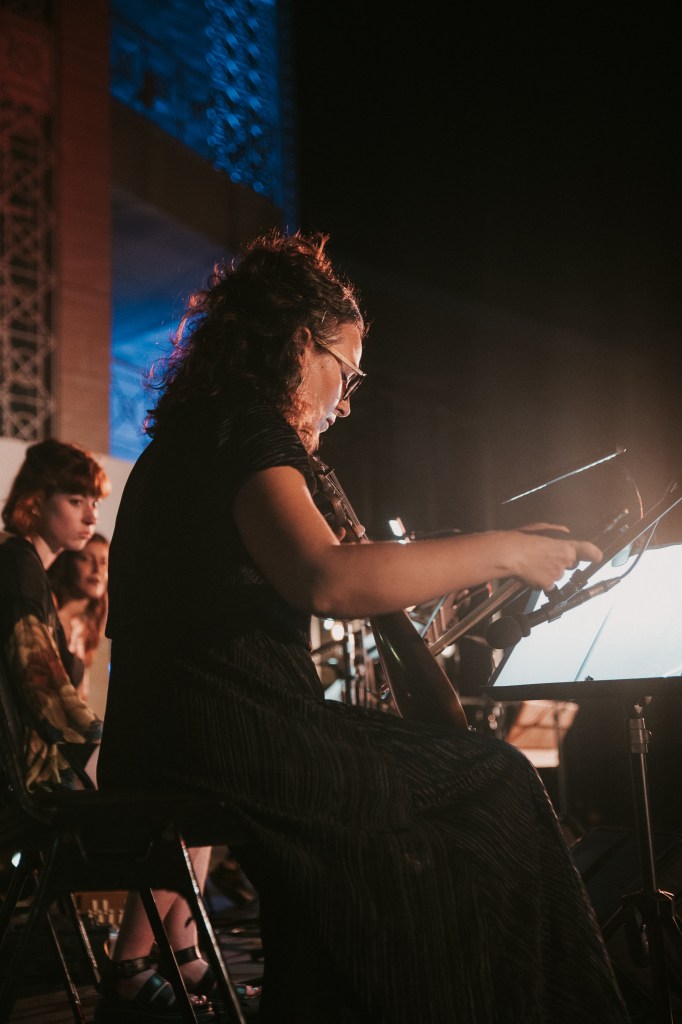
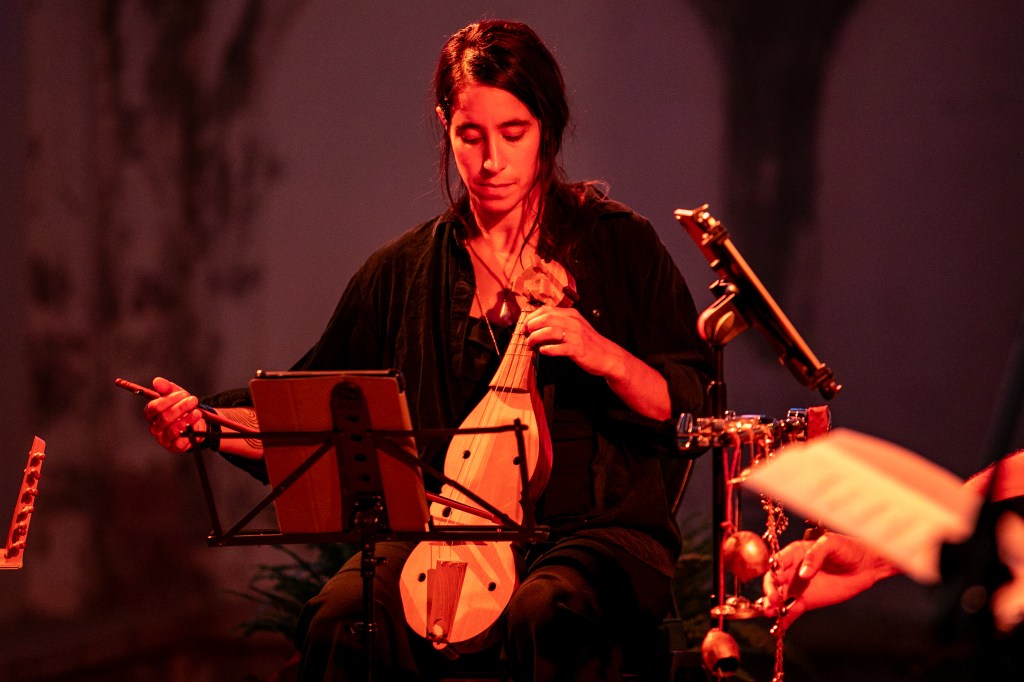
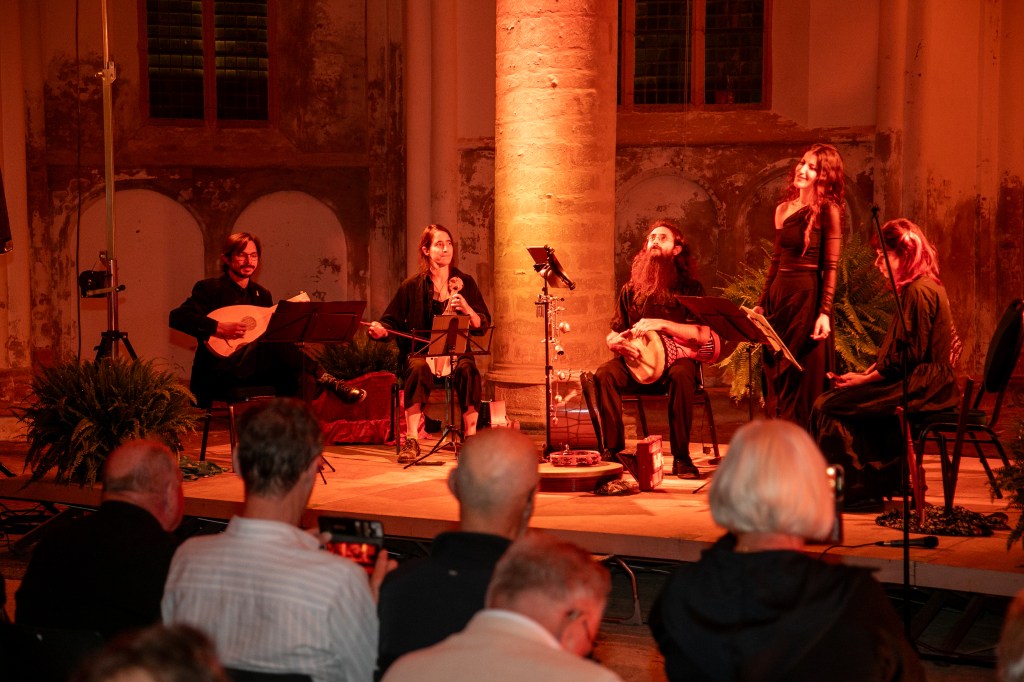
pictures from performances








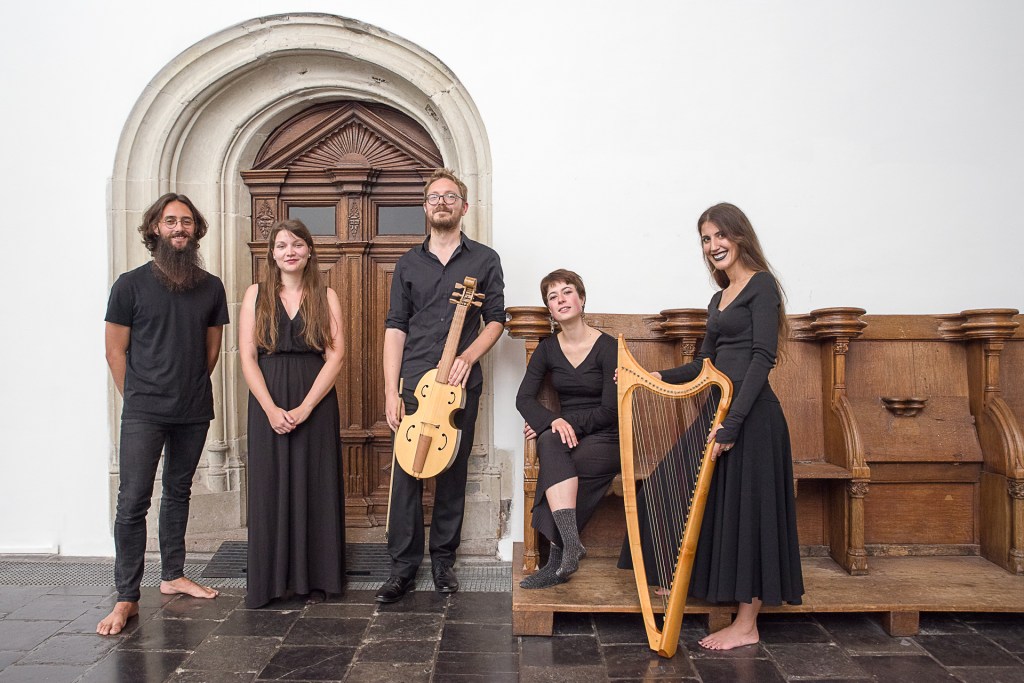
 Sibil•la Ensemble