
Cyprus is the third-largest island in the Mediterranean and eastern-most point of Europe, connecting the West with Middle East, Africa and Asia. Since antiquity, the island’s strategic location and geopolitical importance have served as a vital crossroads of cultures and power dynamics within complex conflicts.
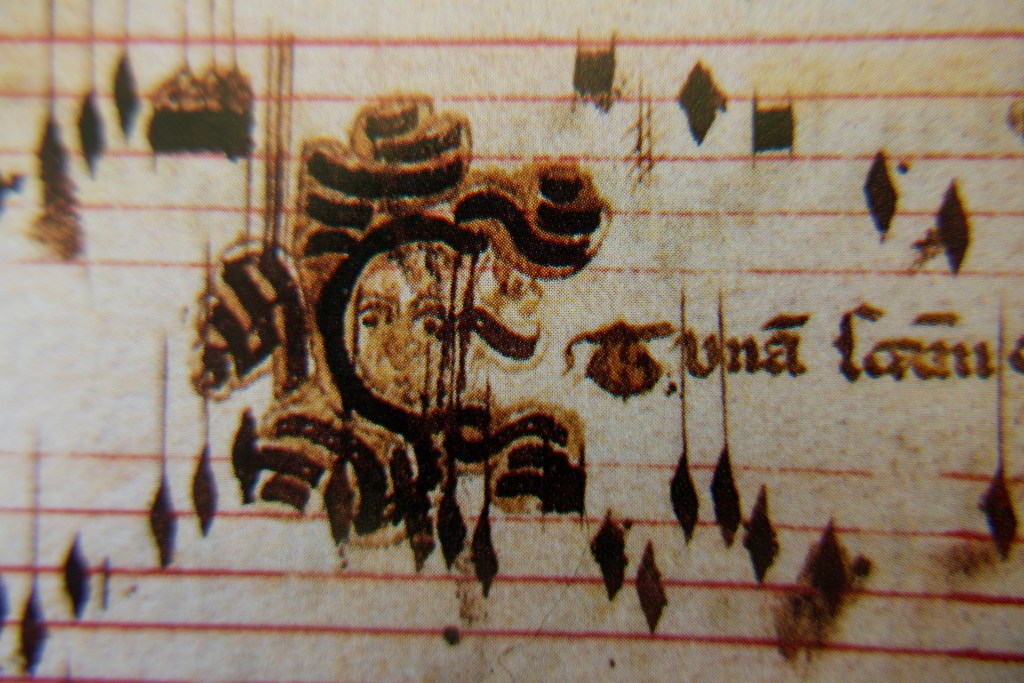
In this blog, we’ll take a brief journey through Cyprus’s medieval history in order to understand the context behind the creation of the manuscript called the Codex of Cyprus. This fascinating collection is the island’s most important source of medieval music and connects Cyprus to major cultural centers of Europe in the Middle Ages.
The Byzantine Era (330–1191)
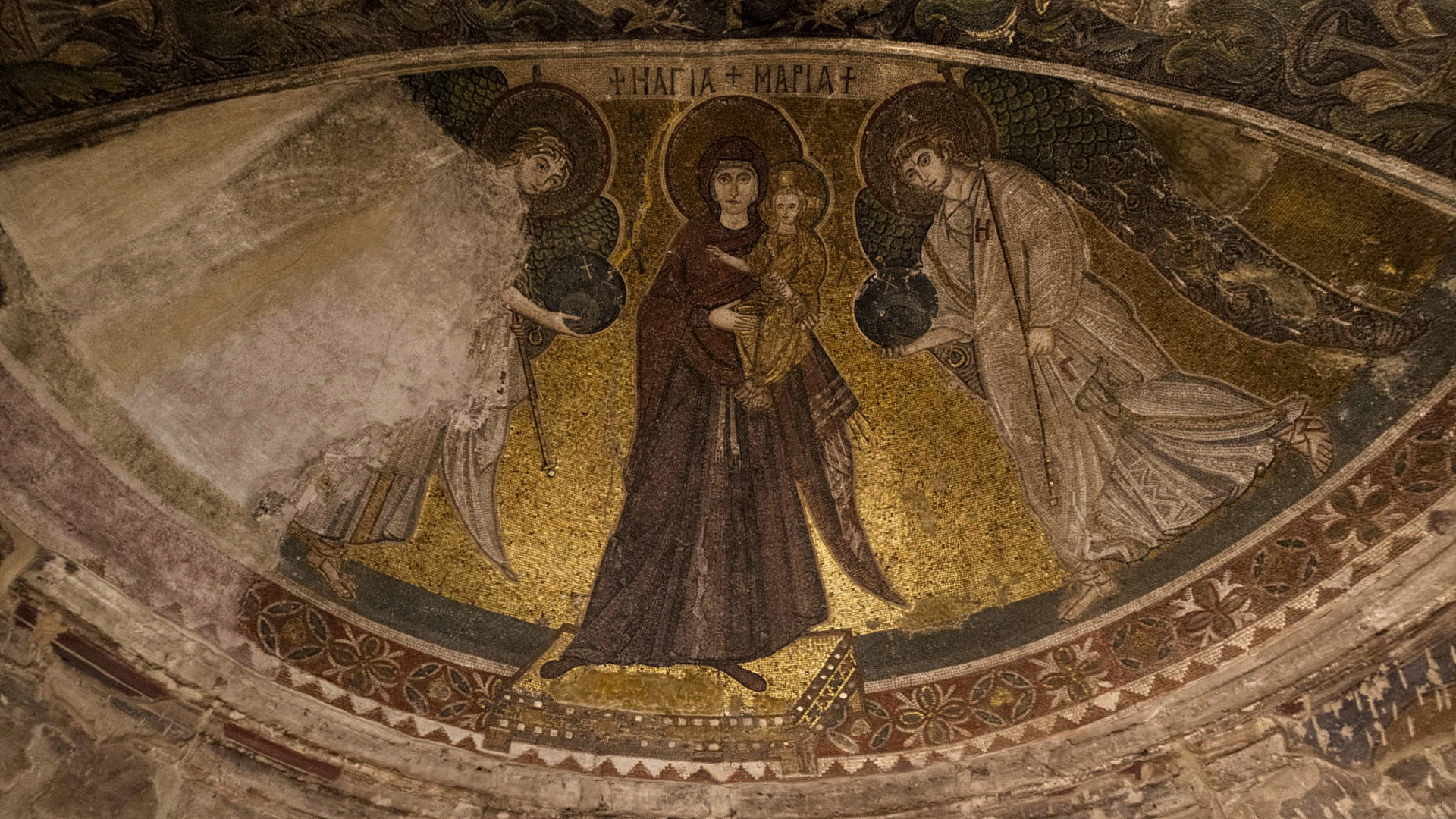
The medieval history of Cyprus began with the division of the Roman Empire and the rule of the Byzantine Empire. This period was characterized by a strong Orthodox Christian influence. Numerous churches, monasteries, and Byzantine traditions were established. Many survive to this day, forming a significant part of the island’s contemporary cultural and religious identity.
The island became a strategic military point, providing crucial support to the Byzantines. After the rise of Islam in the 7th century though, Cyprus became a target for Arab raids…
The Arab–Byzantine Condominium (7th–10th Centuries)
In 653 CE, Cyprus was fully captured by the Arabs. This was followed by a phase of alternating control known as the Arab–Byzantine condominium. This arrangement reflected a coexistence between Byzantine and Arab interests on the island, lasting until the early 10th century.
While the Byzantine Church maintained its influence, the Arab presence introduced Islamic customs and practices, resulting in the establishment of a diverse cultural identity. This interaction between Christians and Muslims facilitated the merging of cultures, languages, and traditions.
By the late 9th century, the Byzantine Empire began to regain control over Cyprus due to the decline of Arab power in the region. By the 10th century, it had succeeded in reasserting its authority, but not for long. What shifted the power dynamics in the Mediterranean then?


The Crusades and Frankish Rule (1191–1489)
The Frankish rule began with the Third Crusade (1189–1192), when Cyprus was conquered by King Richard the Lionheart of England. The King viewed the island as a strategic base for the crusading efforts in the Holy Land. Following his conquest, Richard sold Cyprus to the French nobleman Guy de Lusignan, marking the beginning of the Lusignan Dynasty.
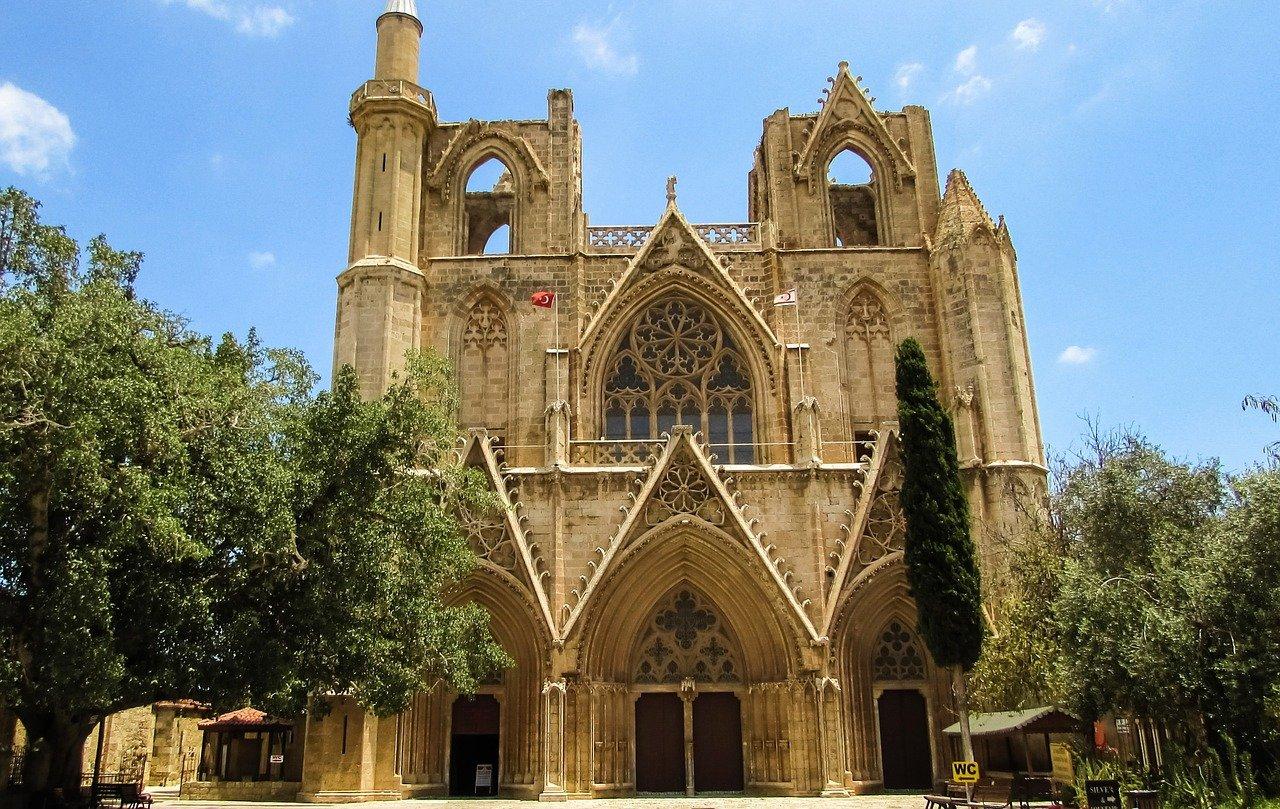
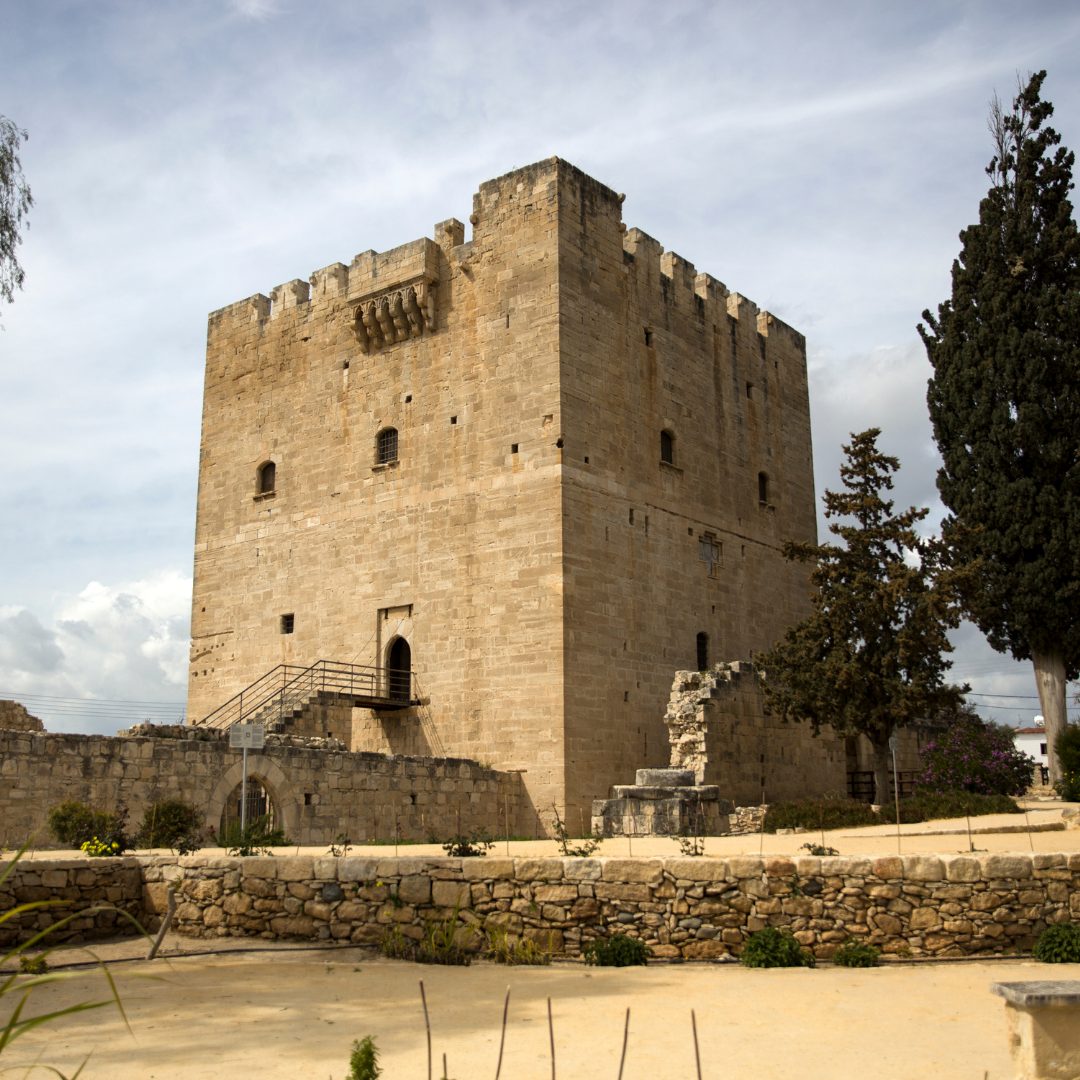
During this time, Cyprus transformed into a Western European kingdom. Many French nobles and knights arrived on the island and created their own communities. Cyprus also became a hub for trade and commerce, among others of sugar, wine, salt, and ceramics, linking Europe with the Middle East. The Lusignans built impressive Gothic castles and churches, with notable structures like the Kolossi Castle and the Cathedral of Saint Sophia in Nicosia. The architecture reflected both local traditions and the Gothic style prevalent in Western Europe.
One of the most significant cultural treasures of this period is what we call the Codex of Cyprus. Its story began with the last king of the dynasty, Janus de Lusignan…


The Franco-Cypriot Codex
The future queen and wife of King Janus, Charlotte de Bourbon (1388–1422) arrived in Cyprus with a group of French musicians and composers. According to records by Cypriot historian Leontios Makhairas (ca. 1380 – after 1432), Charlotte had a great interest in the arts, particularly in music. Among the musicians, there were Jean Hanelle, a musician of the Cambrai Cathedral and possibly later a teacher of Guillaume Dufay, and Gilet Velut, also a musician of the Cambrai Cathedral.
The Codex consists of three parts:
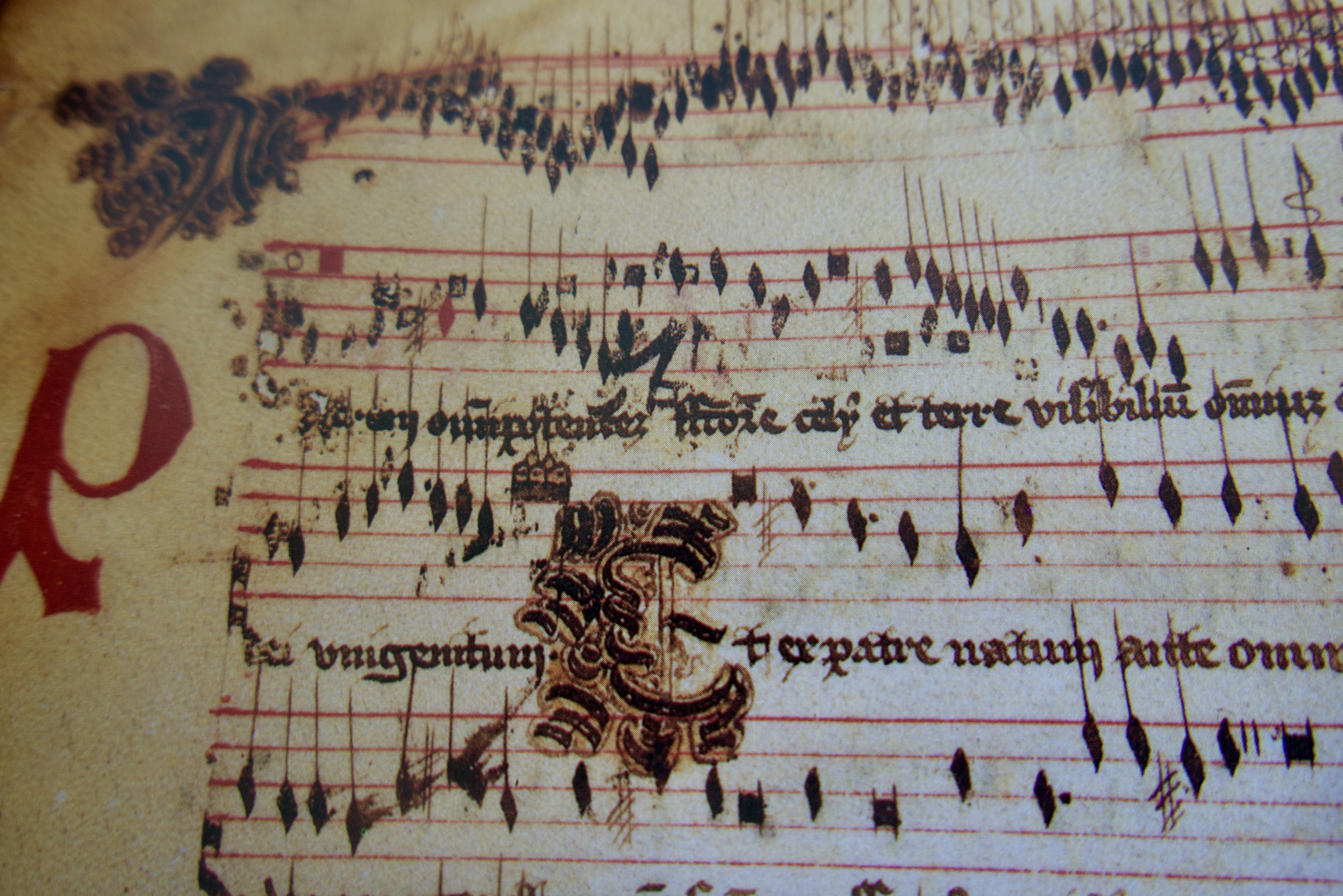
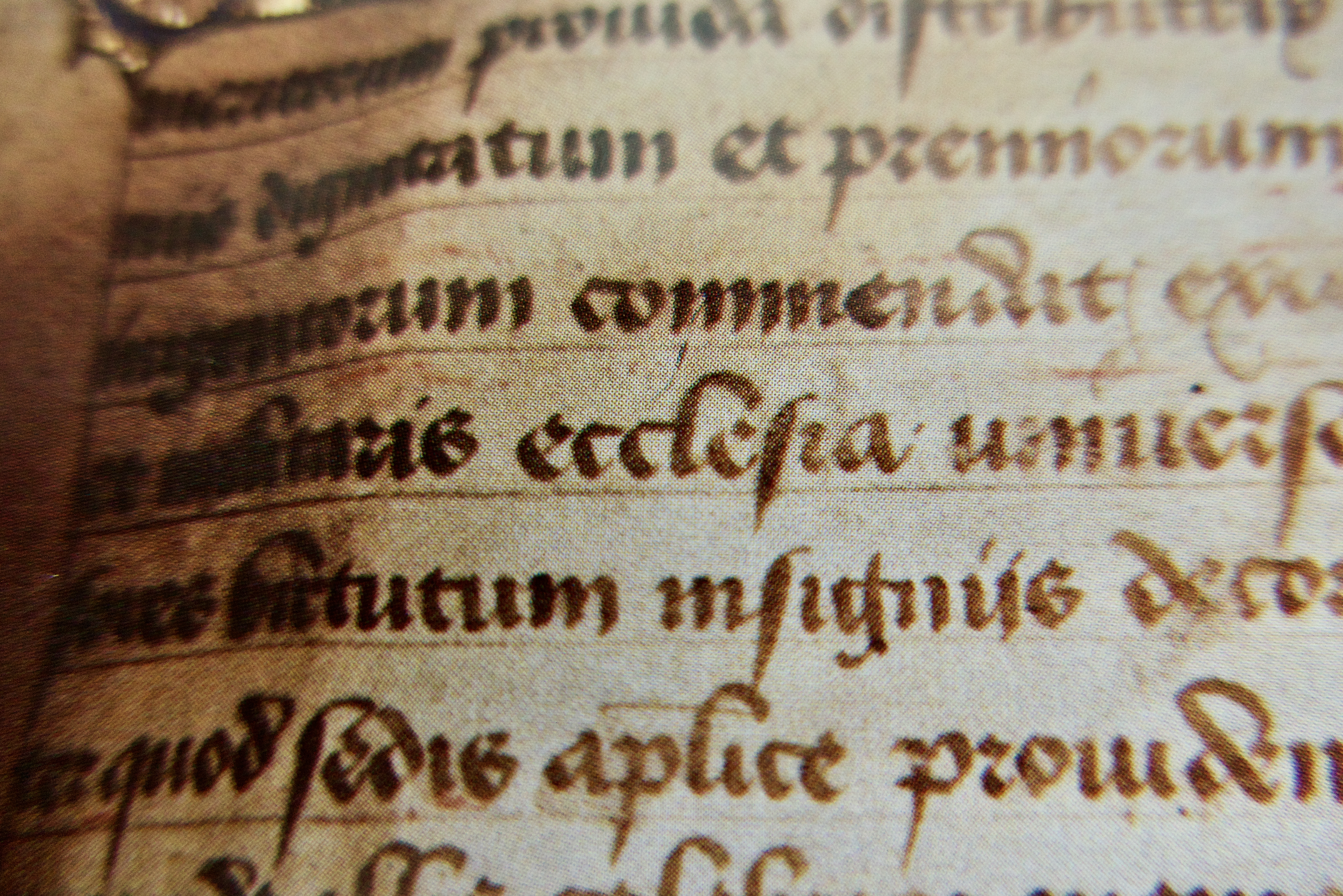
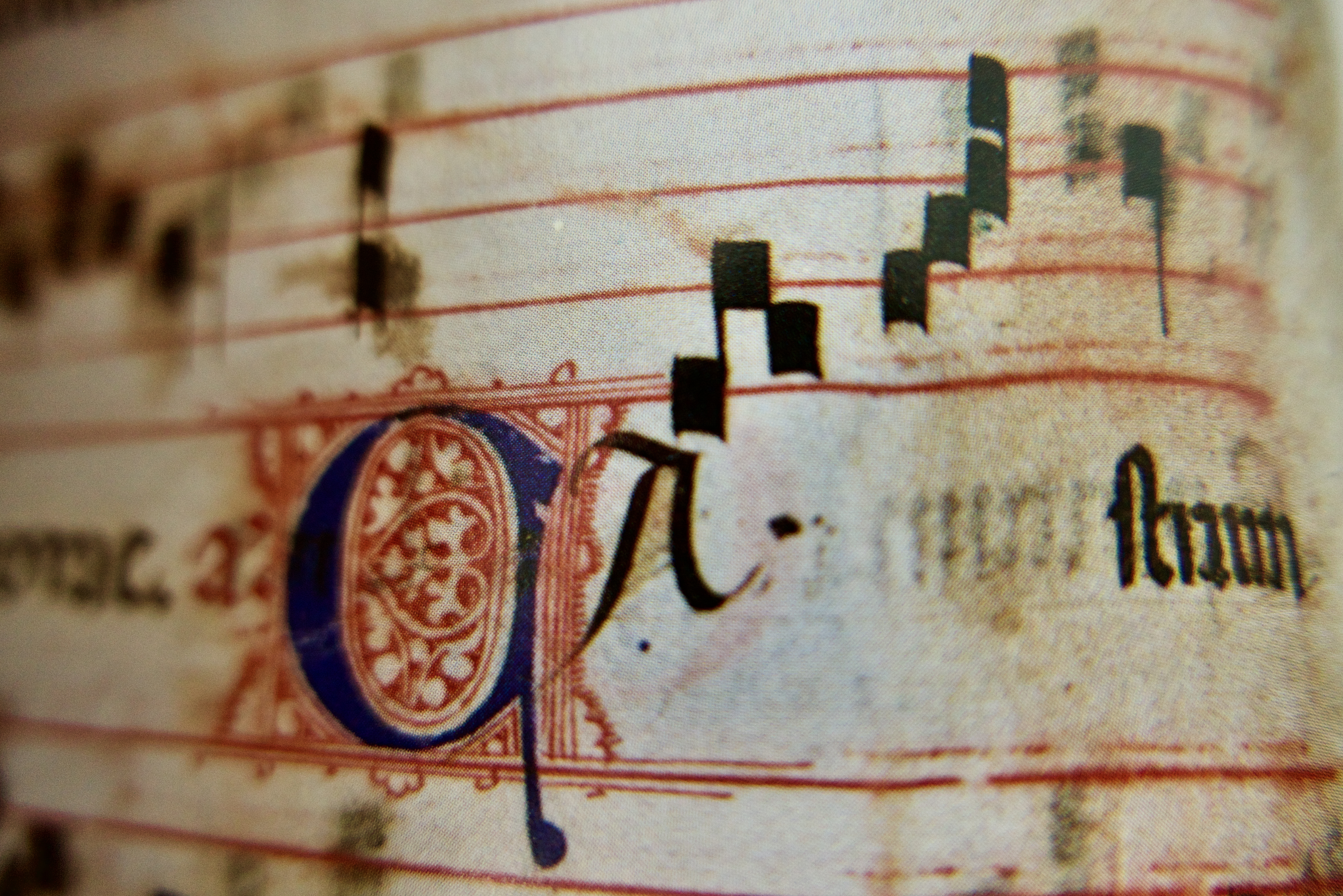
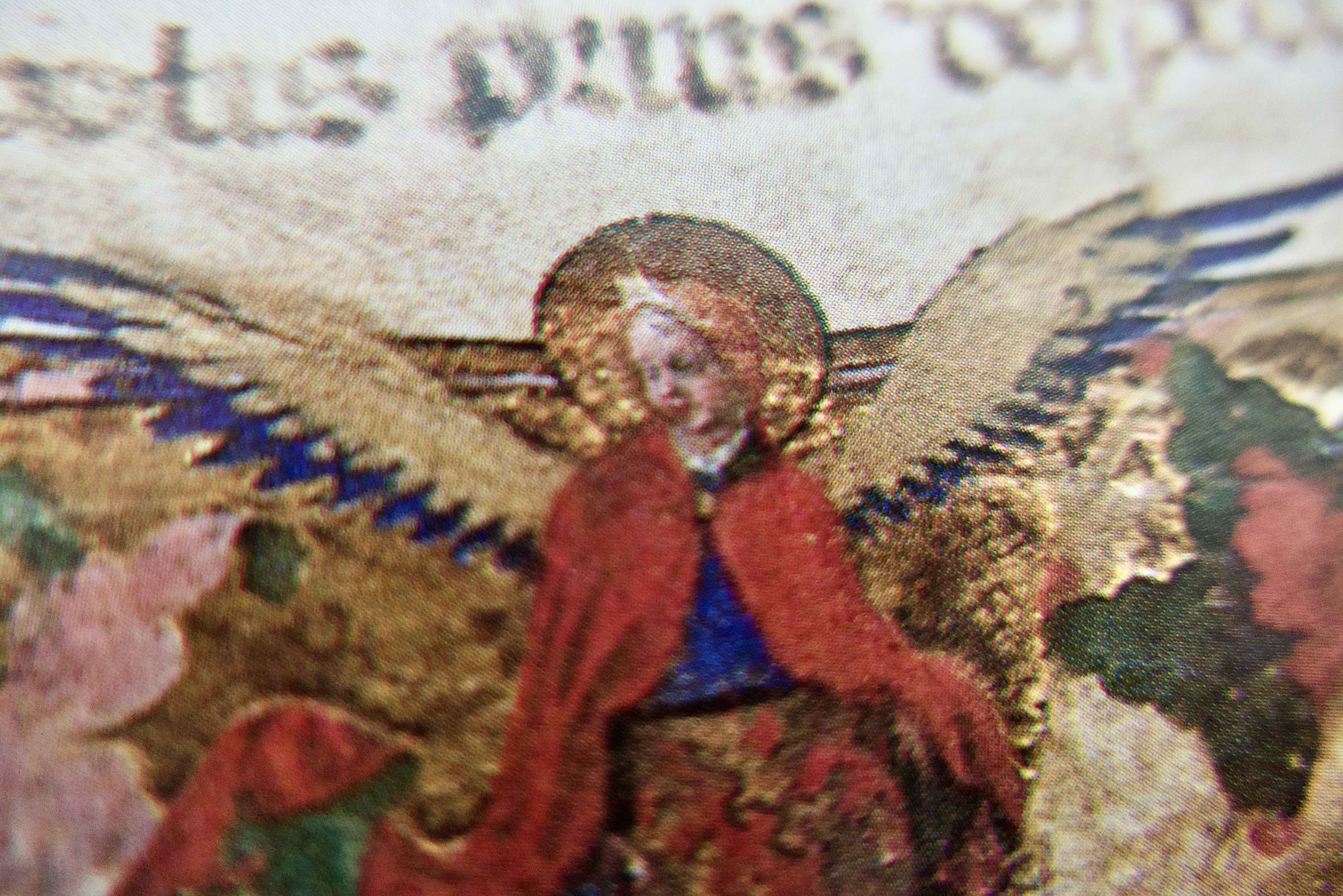
The valuable manuscript Turin Codex J.II.9 is believed to have been written by these French musicians who worked, composed, and performed at the Lusignan court—probably by Jean Hanelle and Gilet Velut, between 1413 and 1430. The music was complicated and sophisticated, primarily for the Lusignan family, the knights, and the nobility. It was performed in Gothic churches like those of Saint Anne and Hagia Sophia, the Bellapais Abbey, and medieval castles.
The Liturgy of Saint Hylarion, which was written for and performed at the castle of Saint Hylarion on the mountain of Pentadaktylos,
The Liturgy of Saint Anne dedicated to the daughter of Janus and Charlotte, Princess Anne de Lusignan, and the homonymous cathedral in the nowadays occupied Nicosia,
334 motets and secular polyphonic works (ballades, virelais, rondeaux) in medieval French. They were most likely performed at events and celebrations at the Lusignan court and other noble, knightly, and clerical celebrations..






The Significance of the Codex in Today’s Context
The Franco-Cypriot Codex ended up in the French city of Chambéry as a gift to Anne de Lusignan for her marriage to Louis of Savoy. The manuscript was in the Biblioteca Universitaria, successor to the ducal library of Savoy, in the mid-eighteenth century. Today, it is preserved in the University Library of Turin.
This unique collection is very interesting to musicologists, historians and musicians. Its polyphonic section reflects the Ars Subtilior style and ties Cyprus to broader European artistic movements. Such rhythmically and harmonically complex polyphonic music can only be found in major European cities of the time, like Paris and Avignon. The notation and rhythm achieved a peak of complexity that would be unheard of in Western Music until the 20th century, with 2:3 polyrhythms and extremely florid, varied subdivisions.
“If the return is short and full of joy, if it does not ease my pain,
it is so that I may feel it more deeply.”
We have been incredibly fortunate to connect with great composer Yannis Kyriakides, who generously shared the facsimile edition of the Turin Codex J.II.9 with us. This allowed us to begin our research and exploration. Our dear friends from the medieval music ensemble Ex Silentio contributed with transcriptions of secular polyphony, enabling us to bring melodies to life through our performances and recordings.
Cyprus has always been a meeting point of diverse civilizations, yet it still bears the painful scars of 20th-century conflicts and the ongoing Turkish occupation. There is hope that the emerging generations from both communities on this divided island gradually come to realize that peace is the only path forward. By embracing the island’s rich history and appreciating the beauty of its cultural fusion, they can transform the burden, enriching their daily lives and activities with inspiration drawn from the past.
“All the pleasure, all the melancholy, and anything bad, hunt me. All my weariness shall be renewed, and everything will unravel the work of Fortune, who is my greatest enemy, when they sing so clearly.”
Translation of Tout vray solas feray, rondeaux no.26 from the Turin Codex MS J.II.9
 Sibil•la Ensemble
Leave a comment