

On the 18th of July, we had the pleasure of being invited by the Festival Faneromeni24 and the Cultural Foundation of the Bank of Cyprus to present music that echoes the rich diversity of Cypriot culture across the ages.
The history of the island inspired us and initiated a musical research that showcases Cyprus’s rich past from the beginning of notated music to the oral traditions of Cypriot culture. We curated a program weaving together diverse periods and aesthetics from Cyprus’s history. Journey in Time combines ancient Cypriot ritual songs, 15th-century polyphonic music from the Franco-Cypriot Codex Turin J.II.9, and traditional music that survives until today. All connected with the concept of the Sibyls!
“As an ensemble, we find the history of Cyprus fascinating, as since ancient times, the island has uniquely combined Eastern Mediterranean and Western cultures. Artifacts from the Bronze Age indicate imports into Cyprus from various major cultures, such as the Minoans, the Mycenaean, and the ancient Egyptians. There is evidence of trade with Sardinia, the Baltic, India and Afghanistan. Later, the island was influenced by the Romans, Arabs, Byzantines, French, Venetians and Ottomans. Cyprus is home to ancient Greek cities and temples, Western medieval Gothic churches, and Ottoman mosques. All these civilizations have influenced the island where we were born, and this rich history is the main source of inspiration for our performance.
The Sibyls (from the Greek word Σῐ́βυλλᾰ) were respected and praised female prophetesses who mastered the divinatory art (μαντεία) from antiquity to the Renaissance. Initially mentioned by Heraclitus (ca. 500 BC), they practiced rituals in temples, foretelling the future, much like the Pythia in Delphi. The tradition of oracles was known across the Mediterranean region, including Egypt, Persia, the Greek islands and, of course, Cyprus. Ancient Cyprus was dotted with sanctuaries dedicated to oracles, where the priestesses would enter a trance, allowing spirits or gods to speak through them. We are very excited to bring this historical concept back to the island and express these inspiring spiritual elements through Cypriot music.” – Kristia Michael, Sibil•la Ensemble reinvents music of the island’s ages
For this new project, we collaborated with amazing early and traditional music specialists from Cyprus and Greece. They include Niki Andronikou (renaissance and traditional lute), Christina Polycarpou (Cretan lyra), Alex Mastichiadis (clavichord), and Marios Solomou (traditional percussion).

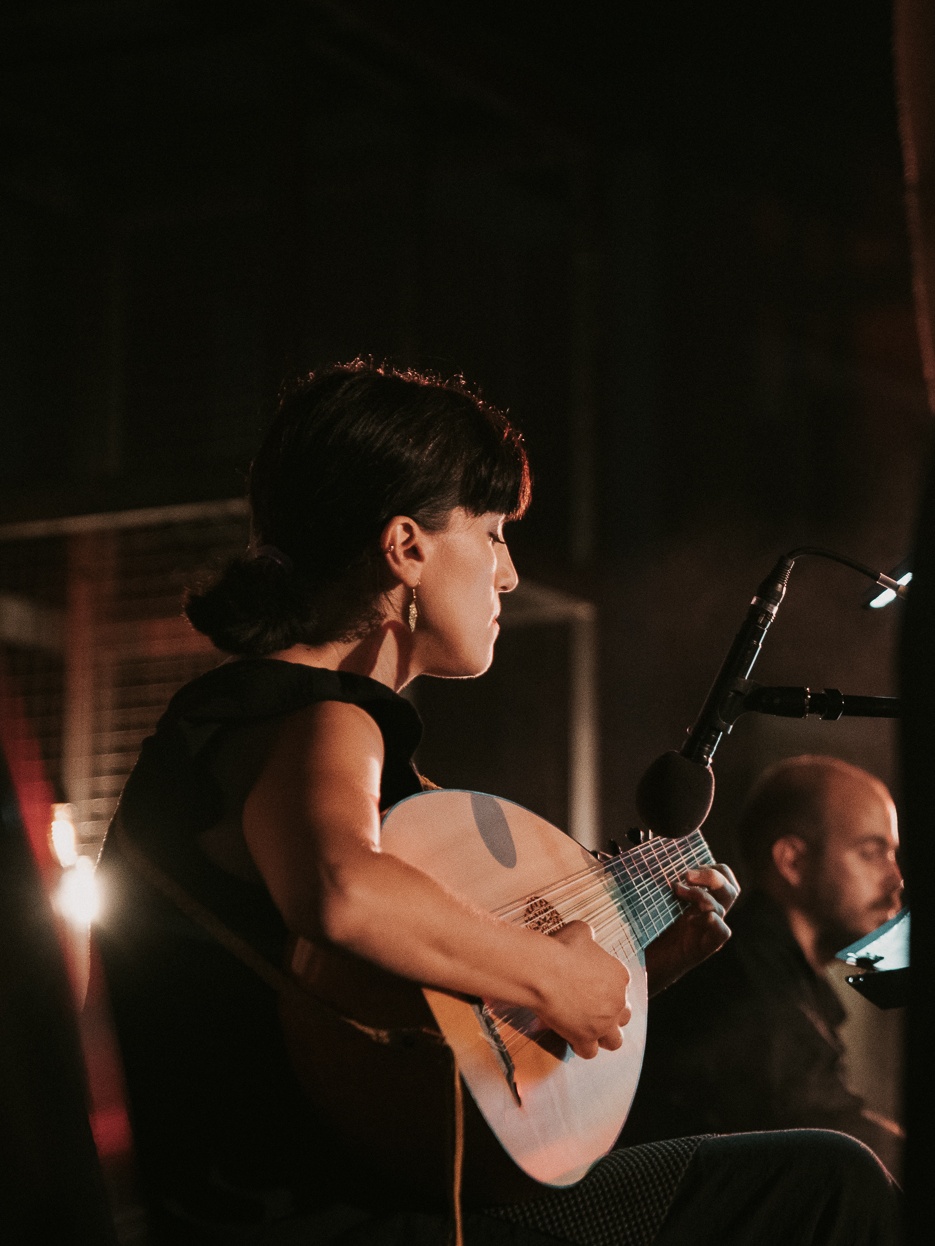
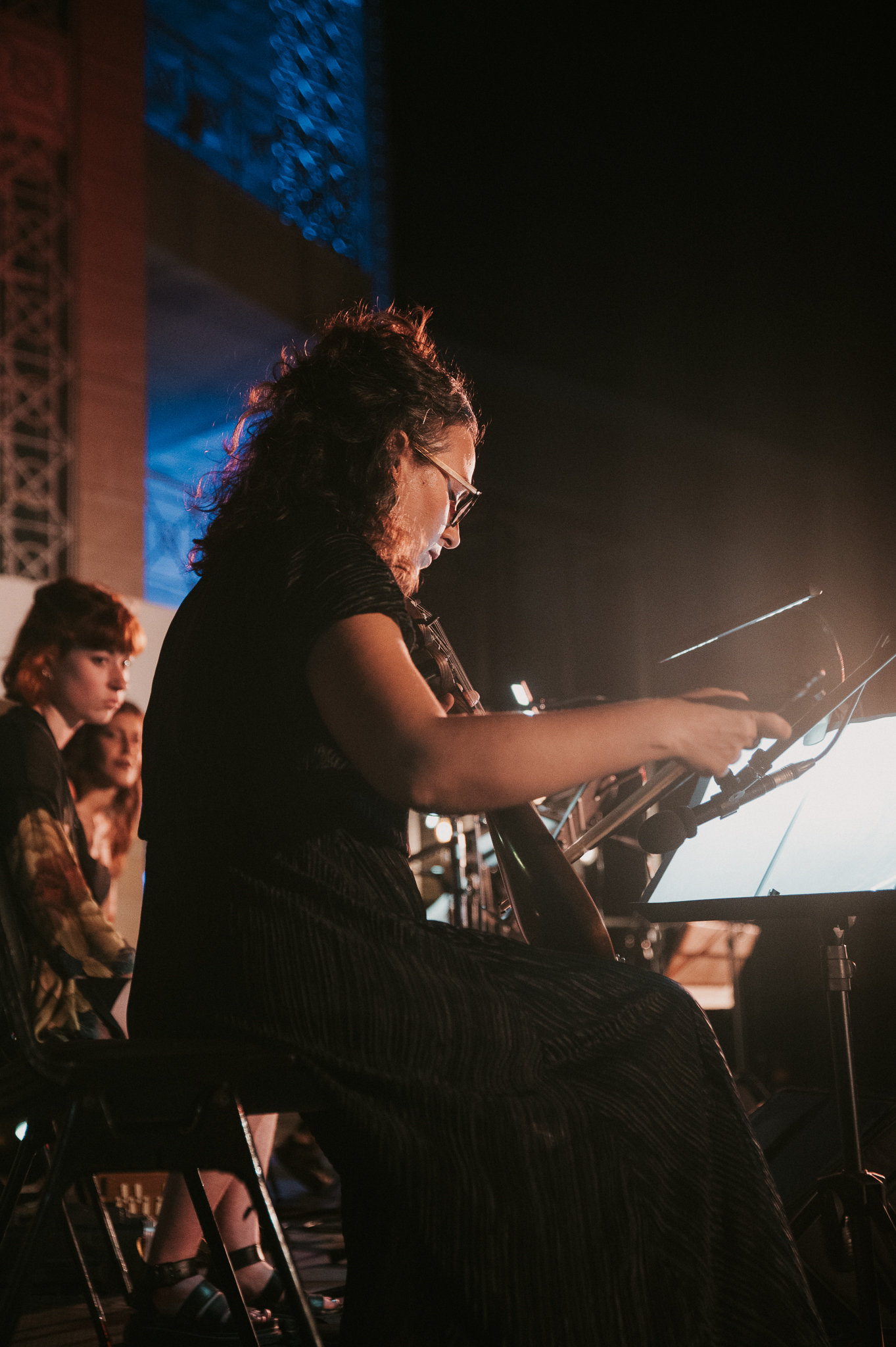
Niki Andronikou is a Renaissance and traditional lute player from Cyprus. She is a specialist in Renaissance music, specifically in Renaissance Lute. She obtained a PhD from the University of York, specializing in Italian music for Renaissance lute, and she is soon completing another Master’s for the traditional lute of Cyprus. Along with traditional melodies and dances, Niki has brought to the program the first Western music written in Greek. This renaissance madri is particularly in Cypriot dialect. ‘Ο πόθος εις δυο χείλη κουρελένα’ is a madrigal composed by Giandomenico Martoretta and published in a collection called ‘Terzo libro di madrigali,’ dedicated to the Cypriot knight Petros Sygklitikos. We had the opportunity to perform this piece in Cyprus for the first time!
Christina Polycarpou is a Cretan lyra player interested in the musical traditions of the East Mediterranean and contemporary modal music. Her instrument has sympathetic strings and it’s a type of lyra designed and first played and taught by Ross Daly. She performs with different ensembles and musicians from around the world (Cuba, India, Africa, France, Syria, etc.), having the opportunity to meet different musical cultures and create new music with her unique lyra. Her knowledge and experience in Cypriot traditional and modal music guided us through the rehearsals.
Alex Mastichiadis brought the clavichord to Cyprus for the first time! He is an early music keyboard player, early music specialist, and experimental sound artist based in Greece and in The Netherlands. He obtained his bachelor’s degree from the Department of Musical Studies of the Ionian University and his master’s degree from HKU Utrecht Conservatory with Siebe Henstra, harpsichord, and Reitze Smits, organ. He is currently a PhD candidate at the Ionian University. With Alex, we focused on late medieval and Renaissance music, finding ways to integrate the clavichord into Cypriot traditional music. He played traditional rhythms with innovative and unorthodox techniques on the clavichord while improvising enchanting melodies on Cypriot folk songs!
Marios Solomou is a percussionist, drummer, guitar player, singer, and Byzantine music chanter from Cyprus. He collaborates with the Cyprus Symphony Orchestra, Avanti Crossover Symphonic Orchestra, as well as various classical and contemporary music ensembles. At the same time, he participates in traditional music groups with traditional percussion and traditional lute. Marios has taught us some of the most common traditional rhythms and forms of Cypriot folk music.


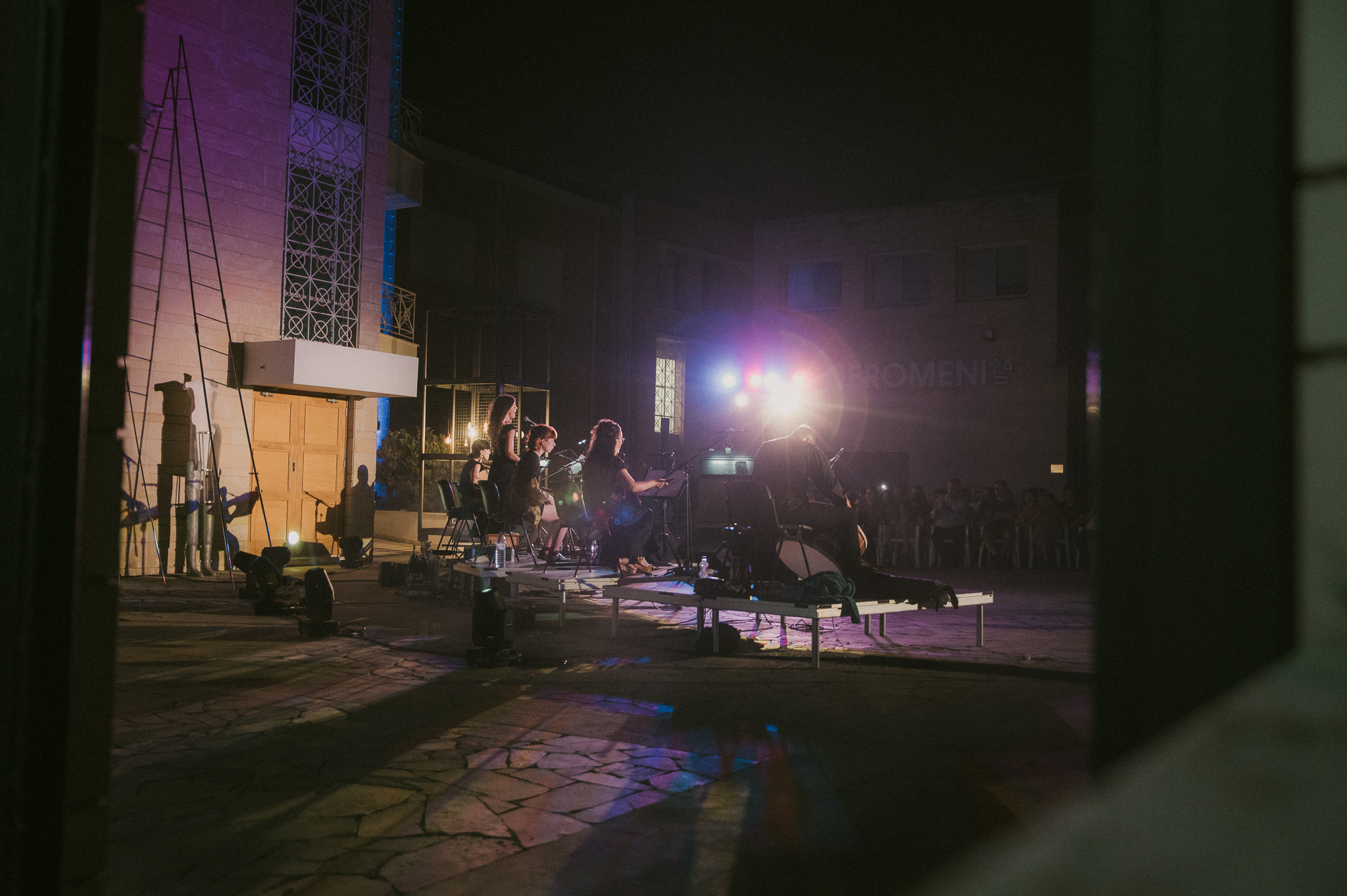
Our program included:
Turin Codex J.II.9: ‘Ego autem’ from St. Hylarion’s Liturgy
Traditional dance: Zeimbekiko Kofto
Turin Codex J.II.9: Se brief retour
Traditional dance: Mantra
Byzantine secular song: Parakalo tin Panayia
Giandomenico Martoretta: Ὁ Πόθος εἰς δυὸ χείλη κουρελλένα’ (1554)Traditional: Song of Klidonas
Turin Codex J.II.9: Tout fray solas feray
Traditional dance:Syrtos Mavrommatis
Traditional: To Yiasemi
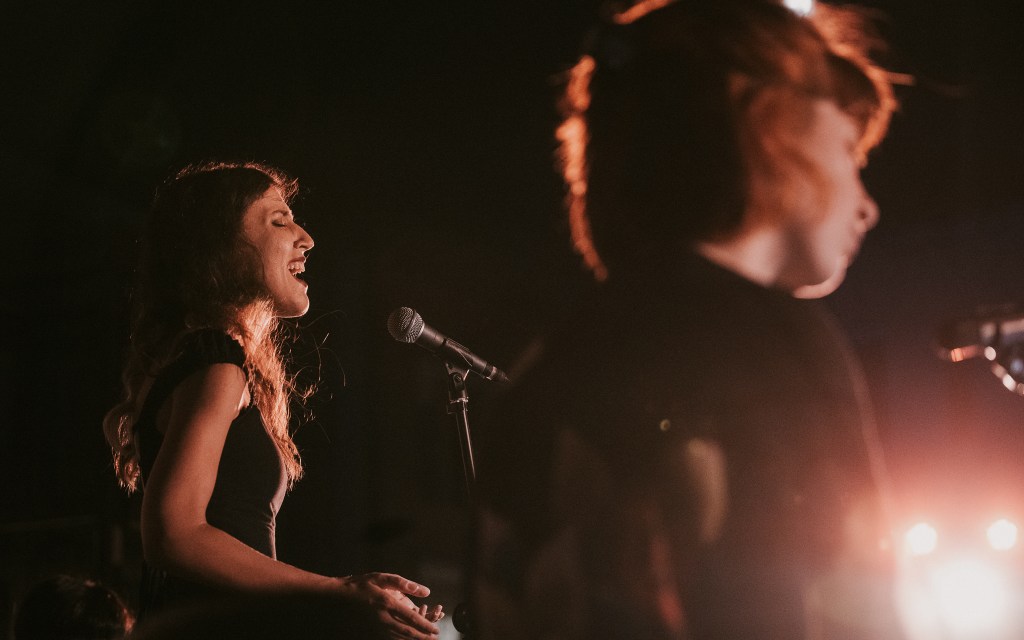
So many cherished memories from this project! We enjoyed a week of learning and drawing inspiration from the historical city of Nicosia, surrounded by these wonderful musicians. Kristia sang in her own language and Marguerite explored new folk ornamentation and stylistic approaches on her recorder, all while performing polyphonic melodies related to the medieval city where she grew up, Poitiers in France (more about this on our next blog about the Franco-Cypriot Codex)!
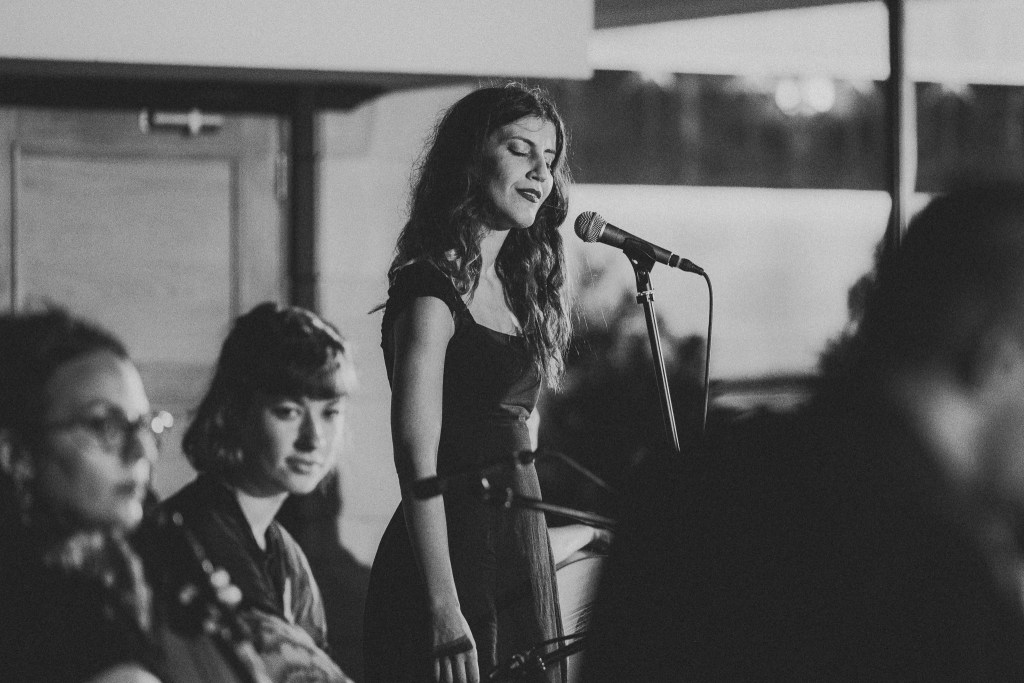
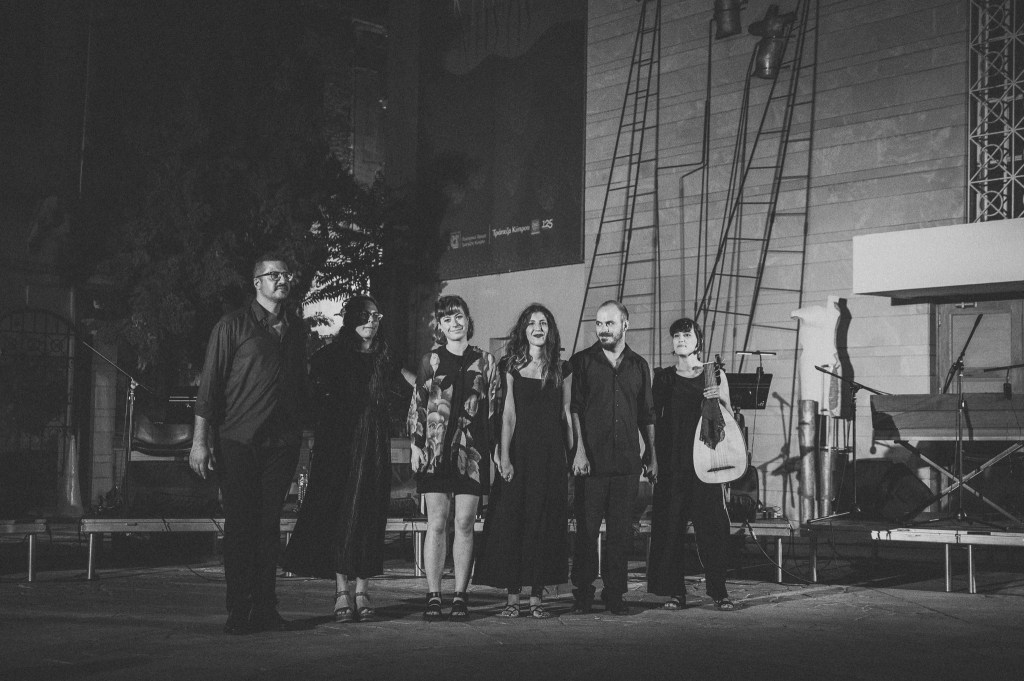
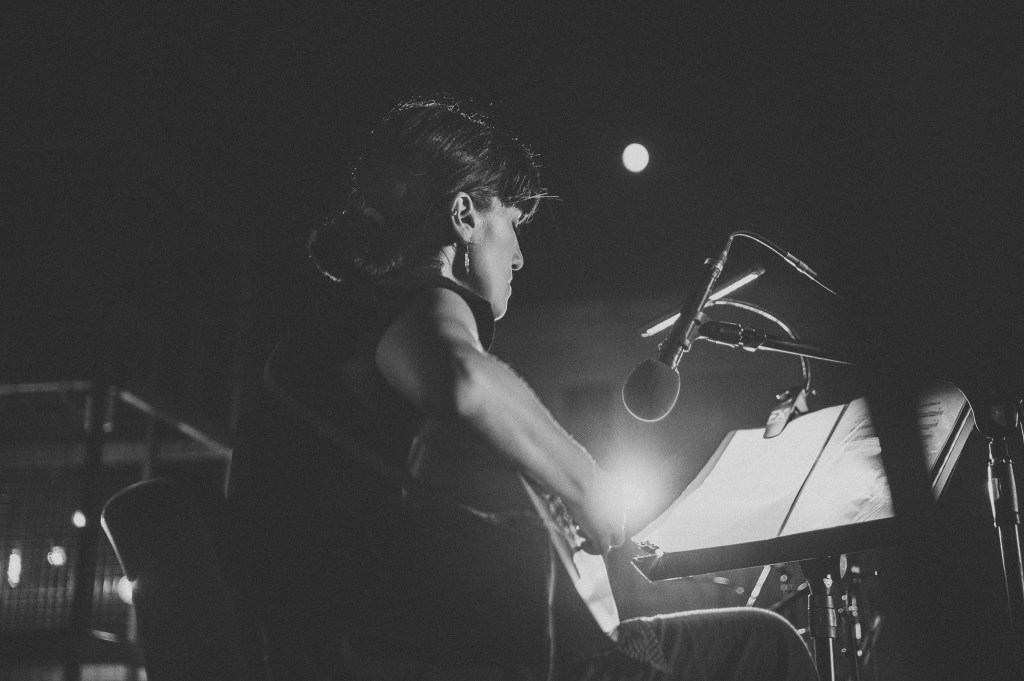
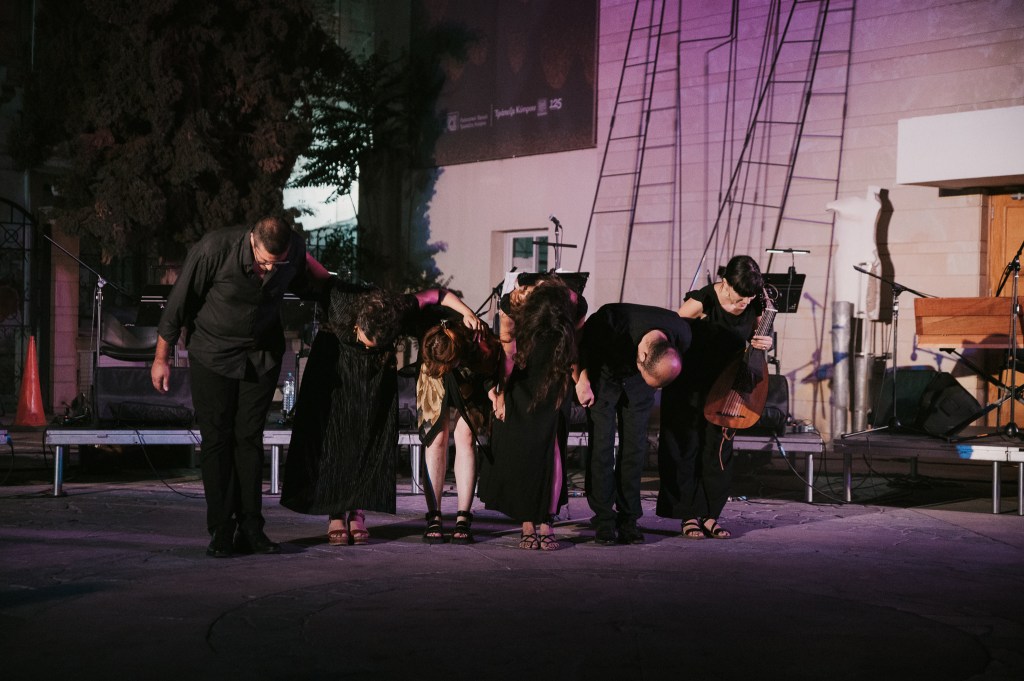
Many thanks to the Festival and Kyriakos Christodoulides for the atmospheric pictures!




 Sibil•la Ensemble
Leave a comment